Traditional South African Recipes: A Taste of Home
Welcome to our collection of cherished traditional South African recipes. These dishes represent the heart and soul of Mzansi cuisine, passed down through generations. Each recipe carries a story, a memory, and a unique flavor profile that defines the diverse culinary landscape of South Africa. From hearty stews to savory pastries, embark on a delicious journey through the flavors of our heritage.
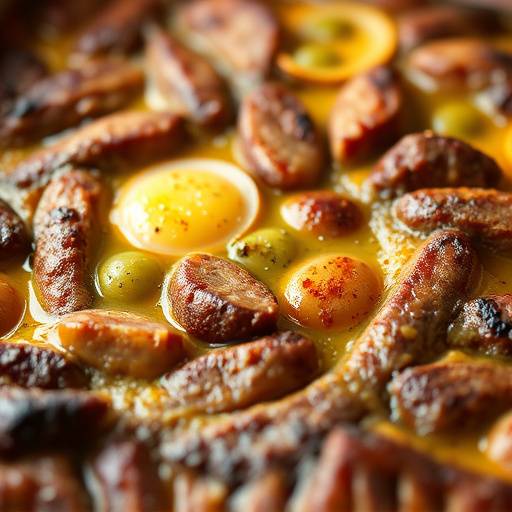
Bobotie
Bobotie is a classic South African dish made with spiced minced meat and topped with a creamy egg custard. This savory and slightly sweet dish is a true comfort food and a staple in many South African homes. Its origins can be traced back to the Cape Malay community.
View Recipe
Biltong
Biltong is a form of dried, cured meat that originated in South Africa. Different types of meat are used to produce it, ranging from beef to game meats like ostrich or kudu. It is typically seasoned with coriander, pepper, and salt, and air-dried to perfection.
View Recipe

Boerewors
Boerewors, meaning "farmer's sausage" in Afrikaans, is a type of sausage that originated in South Africa. It is typically made from beef, pork, and spices, and is known for its distinctive coriander flavor. Boerewors is a must-have at any South African braai (barbecue).
View Recipe
Bunny Chow
Bunny Chow is a South African fast food dish consisting of a hollowed-out loaf of bread filled with curry. Originating in Durban, it is a popular street food and a delicious way to enjoy a hearty curry on the go. It is said to have originated during the apartheid era as a way for Indian laborers to conveniently carry their meals.
View Recipe
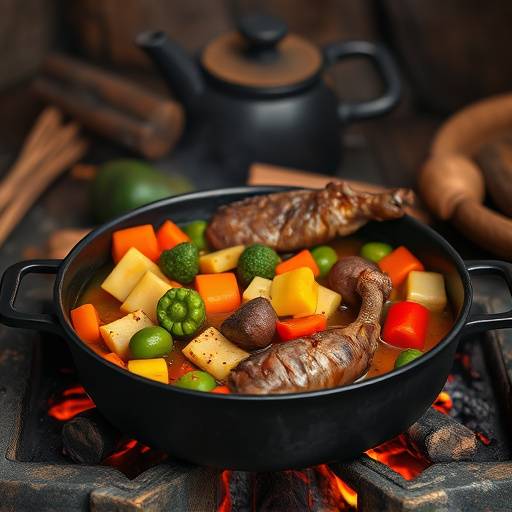
Potjiekos
Potjiekos, meaning "small pot food" in Afrikaans, is a traditional South African stew cooked in a three-legged cast iron pot over an open fire. It is a slow-cooking method that results in tender meat and flavorful vegetables, perfect for a social gathering outdoors.
View Recipe
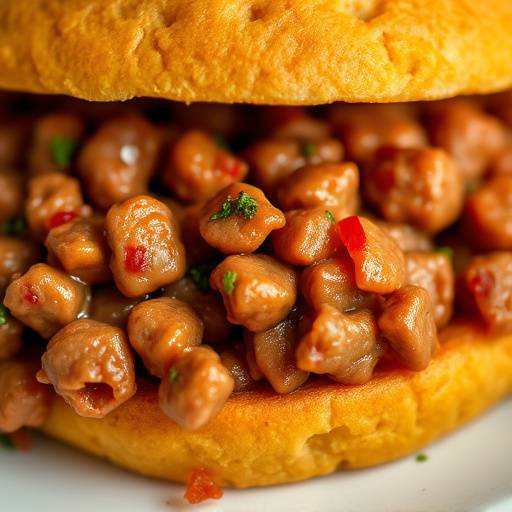
Vetkoek
Vetkoek, meaning "fat cake" in Afrikaans, is a traditional South African fried dough pastry. It is similar to a doughnut but is typically savory rather than sweet. Vetkoek is often filled with mince, cheese, or jam, and is a popular snack or light meal.
View Recipe
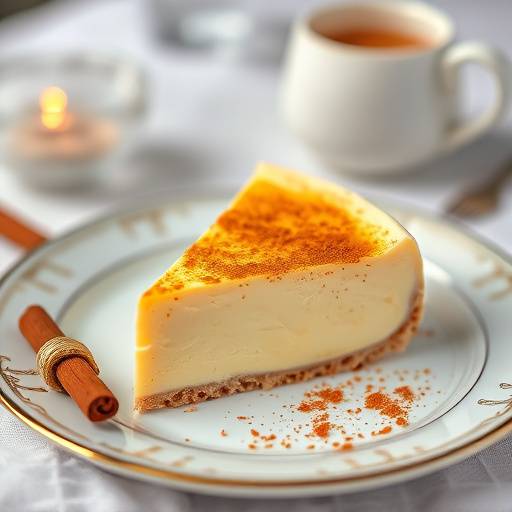
Melktert
Melktert, meaning "milk tart" in Afrikaans, is a South African dessert consisting of a sweet pastry crust filled with a creamy milk custard and dusted with cinnamon. It is a simple yet delicious dessert that is often enjoyed at tea time or as a sweet treat after a meal.
View Recipe

Koeksisters
Koeksisters are a traditional South African confectionery made of fried dough infused in syrup. There are two main types: the Cape Malay koeksister, which is spicy and coated in coconut, and the Afrikaner koeksister, which is braided and drenched in a sweet, sticky syrup. Both are incredibly delicious and a testament to the diverse culinary influences in South Africa.
View Recipe
The History of South African Cuisine
South African cuisine is a melting pot of flavors and influences, reflecting the country's rich and diverse history. Indigenous ingredients and cooking techniques have been combined with those brought by European settlers, Asian immigrants, and enslaved peoples. This fusion has resulted in a unique and vibrant culinary landscape that continues to evolve today.
The Cape Malay community, for example, has played a significant role in shaping South African cuisine, introducing spices and flavors from Southeast Asia. The Dutch and British colonial periods also left their mark, influencing both the ingredients used and the cooking methods employed. Today, South African cuisine is celebrated for its diversity and its ability to blend tradition with innovation.
Variations and Modern Twists
While traditional recipes hold a special place in our hearts, many South African cooks are also experimenting with modern twists and variations. From adding new spices to incorporating different ingredients, there are countless ways to update and personalize these classic dishes. Some chefs are even using molecular gastronomy techniques to create innovative and visually stunning interpretations of traditional South African flavors.
For example, you might find a Bobotie spring roll, a Biltong-infused beer, or a Bunny Chow with a gourmet twist. These modern adaptations are a testament to the creativity and ingenuity of South African chefs and home cooks alike.
Sharing the Flavors of Mzansi
At Mzansi Flavors, we are passionate about sharing the flavors of South Africa with the world. We believe that food is a powerful way to connect with others and to celebrate our cultural heritage. We hope that these recipes inspire you to explore the diverse and delicious world of South African cuisine and to create your own culinary memories.
We encourage you to try these recipes at home and to share them with your friends and family. Whether you are hosting a braai, preparing a traditional Sunday lunch, or simply looking for a taste of home, we hope that you will find something to love in our collection of traditional South African favorites.
Mzansi Flavors: Our Team
Mzansi Flavors is brought to you by a team of passionate food lovers and culinary experts based in Cape Town, South Africa. Our lead chef, Nomusa Dlamini, has over 20 years of experience in the culinary arts and is dedicated to preserving and promoting South African cuisine. Our food writer, Pieter van der Merwe, brings a wealth of knowledge and expertise to our recipe descriptions and historical insights. Together, we are committed to providing you with the best possible culinary experience.
We also work with a team of talented photographers and videographers who capture the beauty and essence of South African food. We are grateful for their contributions and for their dedication to showcasing the flavors of Mzansi.
Table of Traditional South African Spices
| Spice Name | Flavor Profile | Common Uses |
|---|---|---|
| Coriander | Warm, citrusy, and slightly nutty | Boerewors, Biltong, Curry Powders |
| Turmeric | Earthy, slightly bitter, peppery | Curries, Rice Dishes, Coloring |
| Garam Masala | Warm, sweet, and aromatic | Curries, Stews, Vegetable Dishes |
| Chili Powder | Hot, spicy, and sometimes smoky | Curries, Chutneys, Meat Rubs |
| Allspice | Warm, sweet, and reminiscent of cinnamon, cloves, and nutmeg | Bobotie, Pickling, Baking |
| Cumin | Earthy, warm, and slightly bitter | Curries, Stews, Meat Dishes |